


 English
 日本語
日本語 한국어
한국어 русский
 Español
What Factors Should Be Considered When Choosing Hair Scissors?
What Factors Should Be Considered When Choosing Hair Scissors?
Aug 21, 2025
Selecting appropriate hair scissors is a critical decision for professional stylists and barbers, as it directly influences precision, comfort, and the overall quality of haircuts. Several key factors should be evaluated to ensure the tool meets both technical and ergonomic requirements.
The primary consideration is the type of scissor, which should align with specific cutting techniques and styles. Straight scissors are versatile and suitable for most basic cutting, texturizing, and blunt cutting tasks. Thinning scissors, with their finely notched blades, are designed to remove bulk and blend hair seamlessly. Texturizing scissors, often featuring wider tooth gaps, help create movement and softness within the hair. For advanced precision in layered or curved cuts, curved scissors offer better control and visibility. Therefore, investing in a set of specialized scissors can significantly improve a stylist’s range of services.
Another essential factor is scissor size, typically measured by blade length. Shorter blades (4–5.5 inches) provide greater control for detailed work, such as around the ears, neckline, or when performing precision point cutting. Longer blades (6 inches or more) facilitate efficient cutting of larger sections and are often preferred for thick or long hair. The overall weight and balance of the scissors also contribute to handling ease. Lightweight, well-balanced models reduce hand fatigue and improve maneuverability during extended use.
Material quality plays a significant role in performance and durability. High-quality stainless steel or cobalt-alloy blades maintain sharpness longer and resist corrosion. Additionally, scissors with convex edges are known for their exceptional sharpness and smooth cutting action, making them suitable for advanced techniques. The adjustability of the tension screw is another feature to consider, as it allows customization of the blade alignment based on cutting style and hair type.
Ergonomics cannot be overlooked, as comfort directly impacts technique and reduces the risk of repetitive strain injuries. Scissors with ergonomic handle designs—such as crane, offset, or classic styles—accommodate different hand shapes and grip preferences. Soft-grip or rubber-coated handles enhance control and minimize slipping. Furthermore, the ring size should fit the user’s fingers comfortably to ensure stability and precision.
Finally, maintenance requirements and cost should align with the user’s professional needs. Easy-to-clean and sharpen scissors prolong tool life and ensure consistent performance. While higher-quality scissors may require a larger initial investment, their durability and superior performance often justify the cost over time.
In summary, choosing the right hair scissors involves careful evaluation of type, size, material, ergonomics, and maintenance. Selecting tools that match individual technique and comfort preferences can significantly enhance cutting efficiency and stylistic outcomes.
NEW PRODUCTS
-
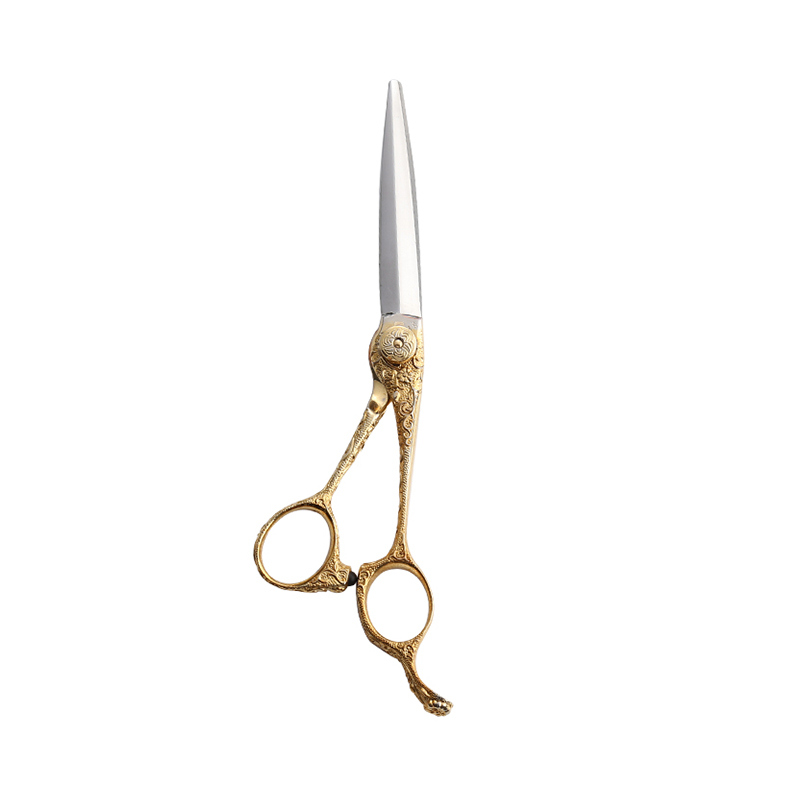
Aug 15,2025
-
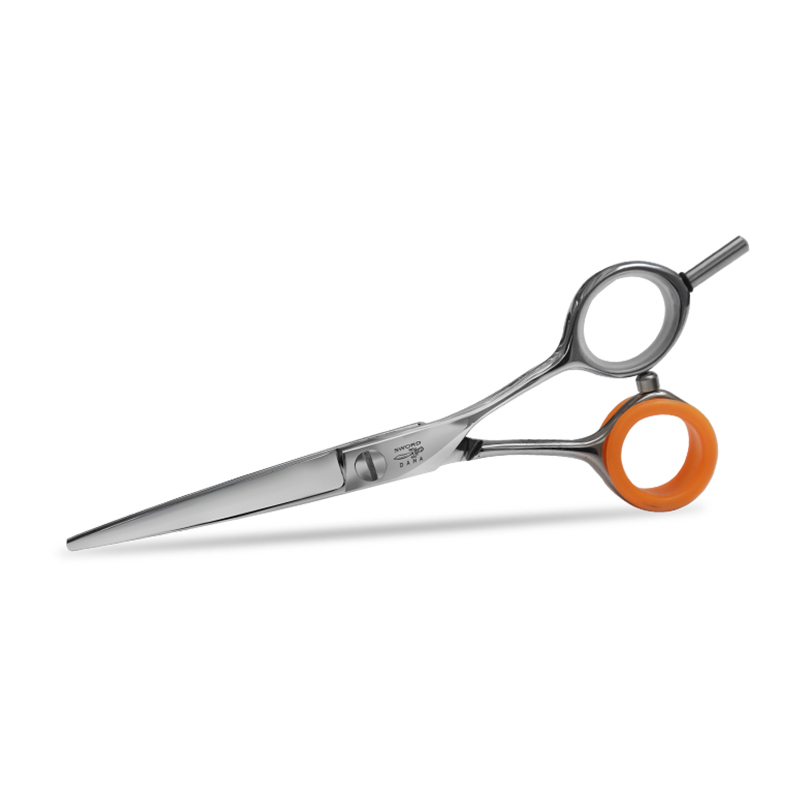
Jul 03,2026
-
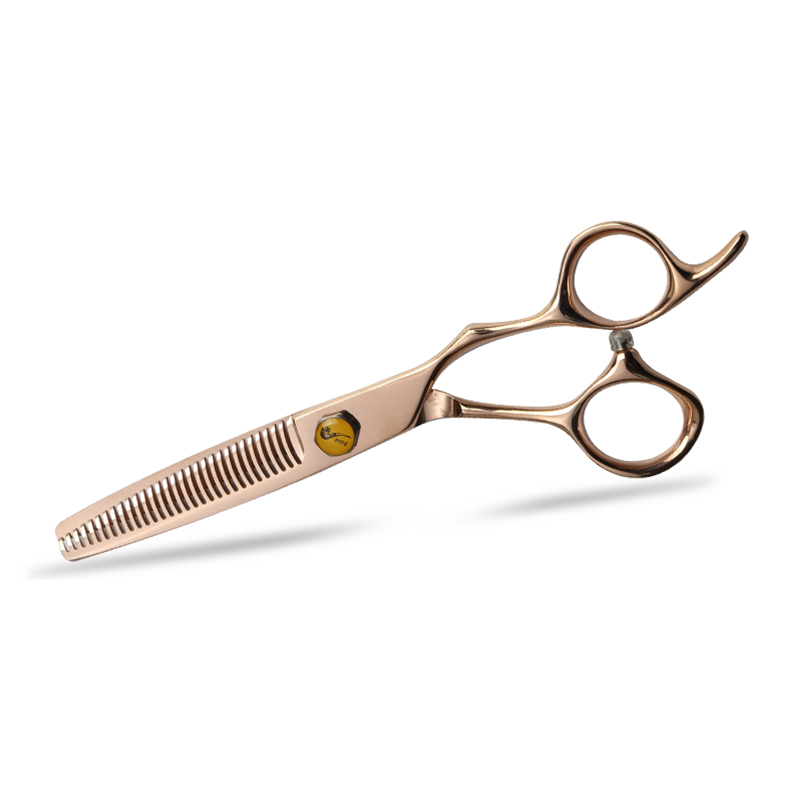
Jul 03,2026
-
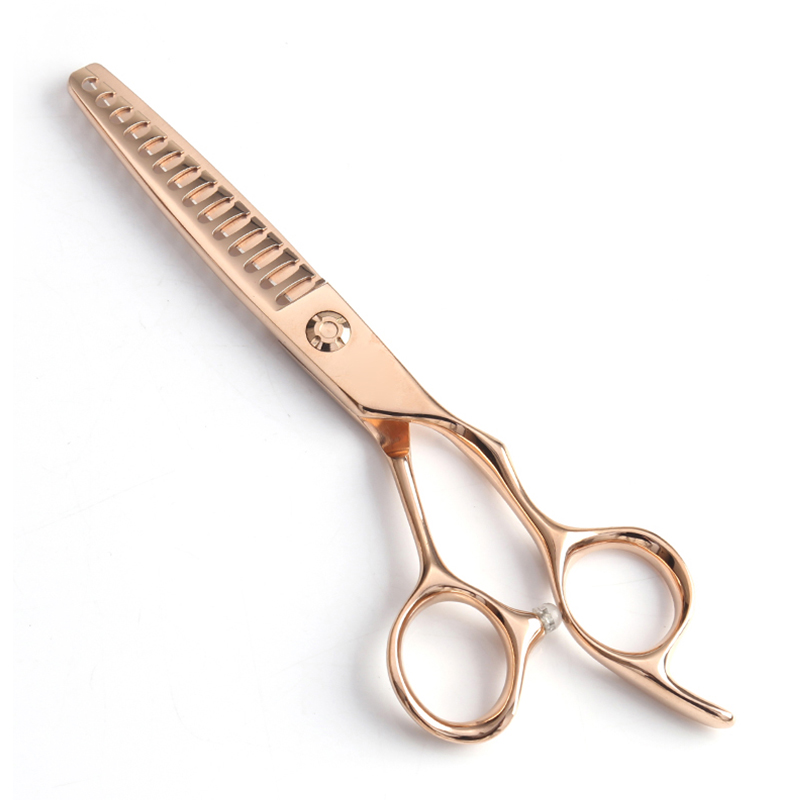
RELATED News
-
Selecting the right pet grooming scissors requires careful consideration of several factors to ensur...
-
For a buyer who wants to stock professional hair shears, the phrase “hair scissors factory” sounds ...
-
Although electric clippers have become increasingly popular in modern barbering due to their efficie...
-
What Makes High Nitrogen Steel Hair Scissors Different from Standard Scissors Material Compo...
Copyright © 2025 Zhangjiagang Huaxu Hairdressing Tools Co., Ltd. All Rights Reserved

 contact us