


 English
 日本語
日本語 한국어
한국어 русский
 Español
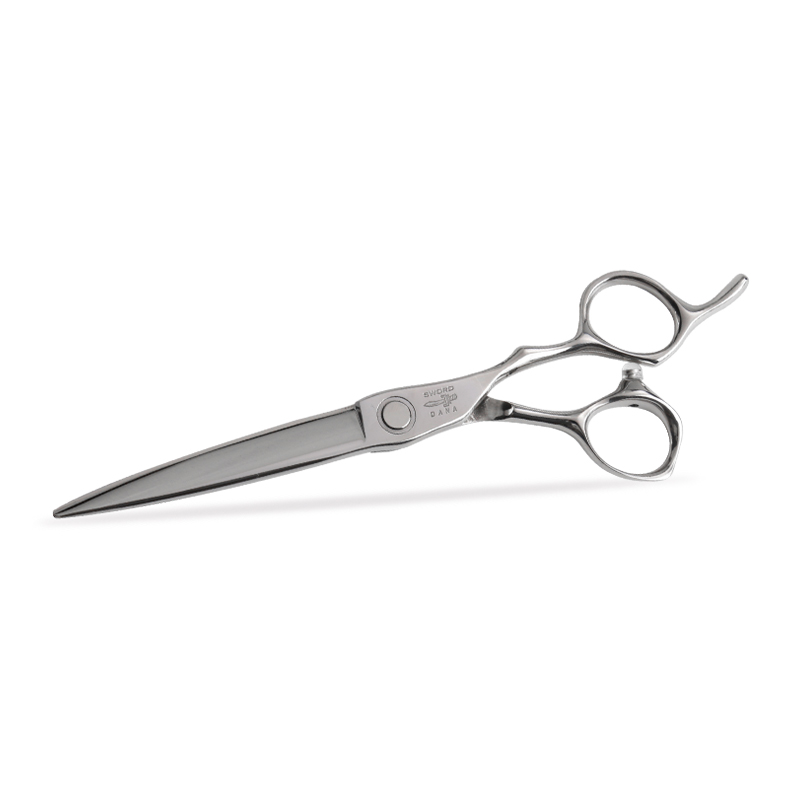
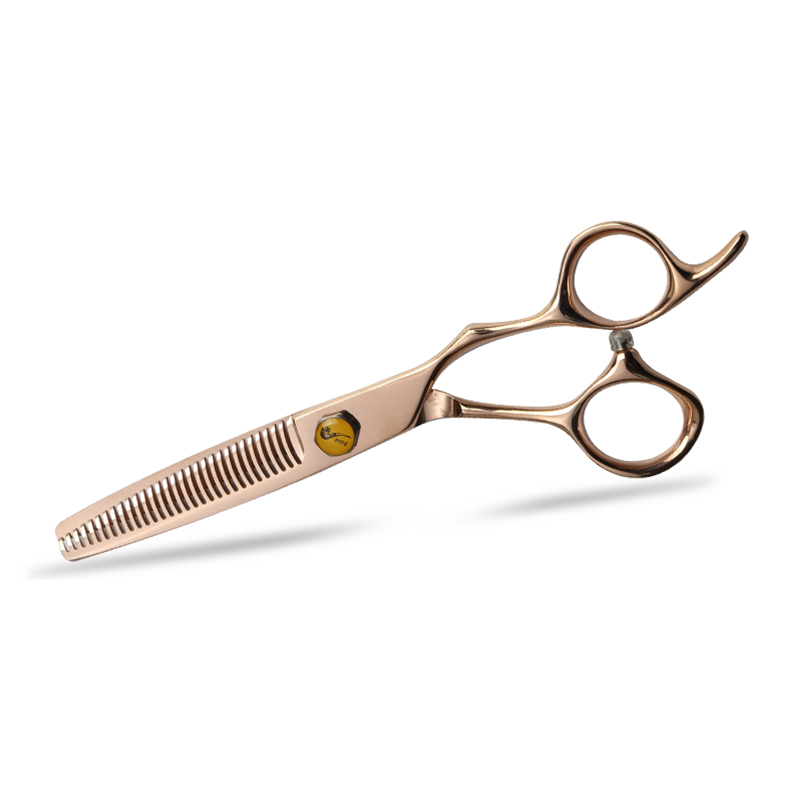
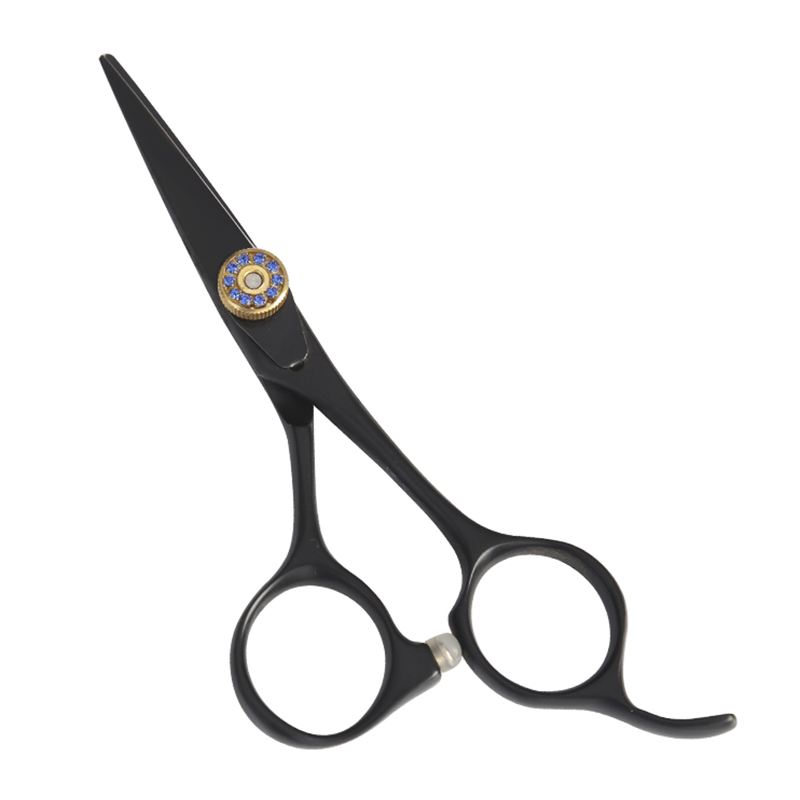
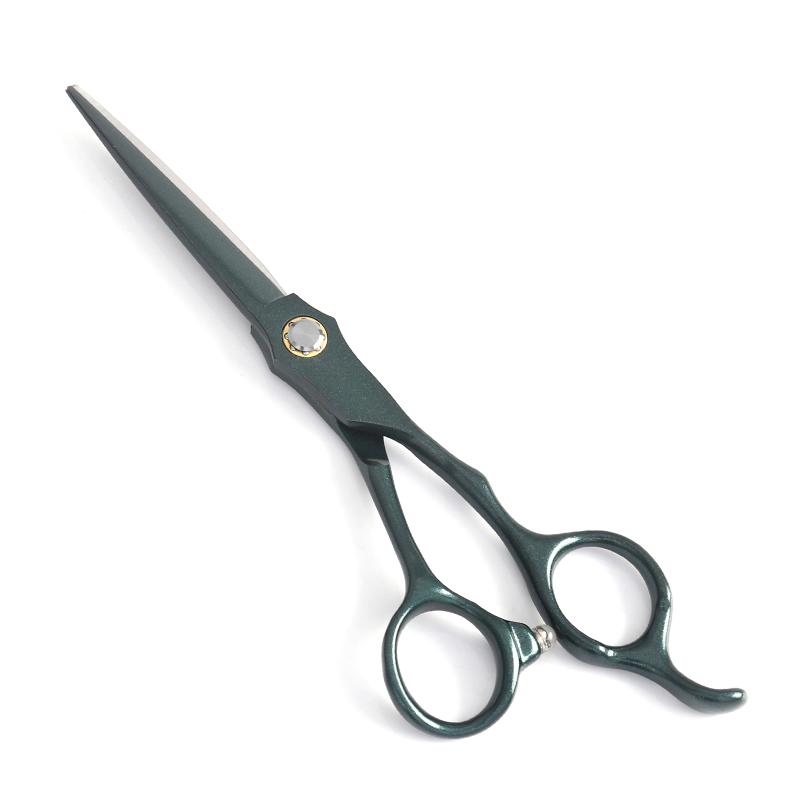
Investing in 440C steel hair scissors provides high-volume salons and independent stylists with the optimal industry balance of high mechanical hardness, excellent corrosion resistance, and structural forgiveness at a sustainable capital investment. While ultra-premium materials like VG10 or sintered powder steels deliver marginal gains in edge longevity under dry-cutting conditions, 440C stainless steel remain the global baseline for professional all-around performance. The structural composition of high-carbon 440C allows for an ultra-sharp convex edge that handles intensive wet, blunt, and slide-cutting techniques without micro-chipping, making it the most reliable asset for elite salon workflows.
Alloy Architecture: The Chemical Core of 440C
To understand the performance profile of 440C steel hair scissors, one must analyze the raw metallurgical breakdown. Belonging to the martensitic stainless steel group, 440C contains a high carbon content ranging between 0.95% and 1.20%, paired with 16% to 18% chromium. The carbon determines the maximum attainable Rockwell Hardness (HRC), while the dense concentration of chromium provides an impervious oxide barrier against corrosive sanitizers, moisture, and chemical styling residues.
Unlike lower-grade materials in the same family (such as 440A or 440B), 440C maximizes its carbon matrix. This precise chemistry allows master blacksmiths and modern industrial CNC plants to manipulate the crystal structure during advanced heat treatments and cryogenic cooling phases. The result is a steel that forms dense chromium carbides at the molecular level, yielding a blade that resists frictional wear and preserves its cutting trajectory through thousands of sectioning passes.
Direct Material Comparison: 440C vs. VG10 vs. Low-Tier Stainless
Selecting tools for premium salon environments requires a deep quantitative understanding of how distinct alloys behave under the physical pressure of texturizing, point cutting, and heavy blunt structural manipulation.
| Steel Classification | Rockwell Hardness (HRC) | Edge Retention Matrix | Resilience to Chipping | Servicing & Honing Requirements |
|---|---|---|---|---|
| 440C Stainless Steel | 58 – 61 HRC | High / Dependable | Excellent (High Elasticity) | Standard Professional Servicing |
| VG10 Cobalt Steel | 60 – 62 HRC | Very High / Extended | Moderate (Slightly Brittle) | Specialized Factory Honing |
| Low-Tier Alloys (e.g., 420/J2) | 50 – 55 HRC | Poor / Rapid Decay | High (Soft / Warps easily) | Frequent Basic Sharpening |
Operational Ergonomics and Cutting Dynamics
In a high-tier salon processing thirty or more clients weekly, the physical feel of a scissor significantly dictates user endurance and cut precision. 440C steel hair scissors exhibit a distinct mechanical property known as structural damping. The micro-grain configuration absorbs the kinetic shock generated when blades intersect, creating a smooth, buttery tactile feedback that lowers the risk of carpal tunnel syndrome and wrist fatigue.
Metallurgical Principle: The physical performance of an alloy is determined as much by its heat treatment as by its chemical name. A cryogenically tempered 440C blade routinely outperforms a poorly tempered VG10 counterpart by maintaining superior structural uniformity, preventing micro-fractures along a highly refined convex edge.
When shaping wet hair or executing precise perimeter lines on coarse textures, 440C maintains a consistent bite. Unlike ultra-hard powder metals which can feel brittle and unforgiving if they strike a metallic hair clip or comb, 440C maintains sufficient tensile flexibility to withstand minor accidental impacts without catastrophic failure of the blade face.
The Financial Reality: ROI for High-Volume Salons
From an operational cost perspective, optimizing the tool inventory of a salon demands attention to maintenance cycles and replacement expenditures. 440C steel hair scissors offer an unmatched financial return on investment. While premium VG10 or Damascus variants demand premium upfront pricing—often exceeding several hundred dollars per unit—and require highly specialized, expensive factory sharpening technicians, 440C tools are easily serviceable by any certified regional sharpener.
- Reduced Downtime: 440C shears can be rapidly honed and balanced, minimizing the time a stylist spends working with secondary backup tools.
- Cost-Efficient Scaling: Outfitting an entire luxury salon staff with high-grade 440C shears allows salon owners to direct capital toward marketing and color inventory without compromising tool performance.
- Longevity Matrix: Under standard professional care, a single pair of 440C shears provides a operational lifecycle spanning several years, enduring multiple deep re-sharpening cycles before the blade profile is altered.
Frequently Asked Questions
How frequently do 440C steel hair scissors require professional sharpening?
Under continuous professional use in a busy salon environment, 440C shears typically require professional tuning and sharpening every 3 to 6 months. This timeline depends directly on the ratio of wet to dry cutting, as dry hair accelerates edge abrasion.
Can 440C shears handle dry slide-cutting techniques effectively?
Yes. 440C shears are highly proficient for slide cutting, provided the blades feature a polished convex edge geometry. However, because dry hair is more abrasive than wet hair, stylists performing exclusive dry texturizing will need to maintain a stricter cleaning and oiling schedule to preserve sharpness.
Is Japanese 440C steel identical to Chinese 440C steel variants?
While they share similar baseline chemical specifications for carbon and chromium, the difference lies in the raw material purity and heat-treatment expertise. High-grade Japanese sourcing often features cleaner melt profiles with fewer trace impurities, resulting in a more uniform hardness and better edge stability after tempering.
What is the best daily maintenance protocol to prevent corrosion on 440C shears?
Stylists should wipe the blades with a soft microfiber cloth after every haircut to remove moisture and hair acids. At the end of the working day, open the scissors to a 90-degree angle, apply a single drop of premium mineral shear oil to the pivot screw area, and store them securely in a dry, padded case.
Why is a Rockwell Hardness rating of 58-61 considered the sweet spot for professional scissors?
A rating below 58 HRC means the metal is too soft, causing the razor edge to roll or dull within weeks. Conversely, a rating above 62 HRC indicates the steel is highly rigid and brittle, making it prone to chipping if dropped or if it hits hard objects, while increasing the difficulty of routine sharpening.

 contact us